What is UTM?
What is UTM? Get to Know Tracking Codes in Digital Marketing
UTM (Urchin Tracking Module) parameters are tracking codes used to measure the performance of digital marketing campaigns and perform source-based analysis. Many analytics tools, primarily Google Analytics, can understand where and how a user reached a link thanks to UTM parameters. For a digital agency in particular, this data is the backbone of campaign optimization.
What Do UTM Parameters Do?
UTM parameters allow you to track web traffic in detail thanks to short codes added to a URL. This way, you can measure details such as:
- Which platform the traffic came from (e.g., Instagram, email, banner),
- Which content or ad it interacted with,
- Which campaign headline was more effective
and other details.
What Are the Basic UTM Parameters?
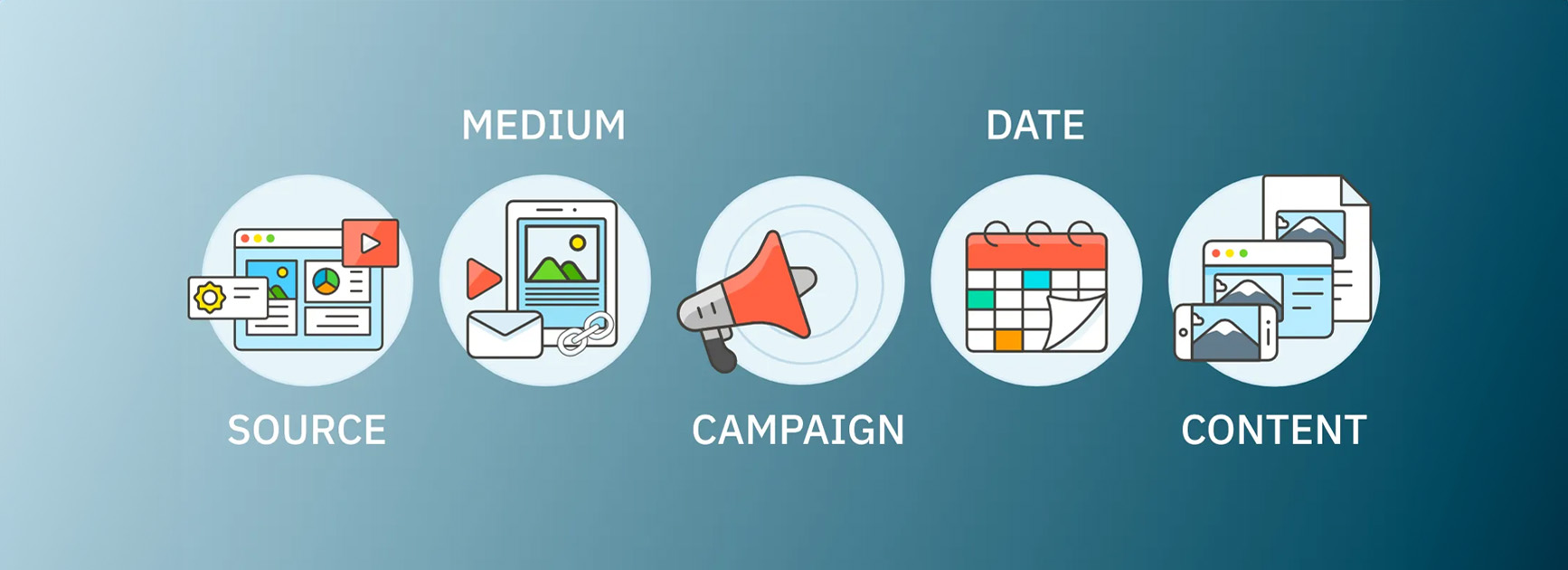
A UTM link consists of five different parameters. Three of these are mandatory, while two are optional:
- utm_source (Source): Specifies the platform the traffic came from. (e.g., facebook, google, newsletter)
- utm_medium (Medium): Specifies the type of channel the traffic came from. (e.g., cpc, social, email)
- utm_campaign (Campaign): Defines the campaign name. (e.g., summer_sale, blackfriday2025)
- utm_term (Keyword): Generally used in paid search campaigns. (e.g., search terms such as “what is utm”)
- utm_content (Content): Specifies the ad or link content for A/B testing.
Why is UTM Usage Important?
The secret to success for a digital agency is being able to make data-driven decisions. Thanks to UTM parameters:
- Return on investment (ROI) is clearly calculated.
- It becomes clear which channels are more efficient.
- User behavior is analyzed in detail.
- A/B testing is made easier.
In short, UTMs answer the question, “Which ad worked best on which platform?”
How to Create UTMs
The most practical way to create a UTM link is to use Google's UTM Builder tool. You can create your own custom link by following these steps:
- Enter your website's target URL.
- Fill in the fields for source, medium, campaign, etc.
- Copy the generated link and start using it.
Example of a UTM link:
ruby https://www.examplesite.com/?utm_source=instagram&utm_medium=social&utm_campaign=june_campaign
Why Should Digital Agencies Actively Use UTM?
Every digital agency must deliver measurable success to its clients. Thanks to UTM parameters:
- Every campaign step can be tracked.
- Transparent reporting can be provided to the client.
- Internal agency optimization can be carried out more strategically.
In short, UTMs are one of the most important tools a digital agency uses in campaign management.
Mistakes Made with UTM Parameters
Any powerful tool can be misused. Some common mistakes to avoid when creating UTMs:
- Upper/lower case confusion in parameter names (example: Facebook ≠ facebook)
- Use of Turkish characters or spaces
- Inconsistent campaign naming
- Different source definitions for the same campaign
Digital agencies can establish a standard in this regard to make meaningful comparisons in their data.
Conclusion: What Are UTMs and Why Should They Be on Every Digital Agency's Agenda?
UTM parameters are the unsung heroes of digital marketing. Every digital agency that wants to measure campaign success, optimize sources, and build a trust-based relationship with customers needs to make UTM usage systematic.
In digital, it's not just about producing campaigns; showing which campaigns work is also a criterion for success. This is precisely where UTMs provide agencies with clarity and control.
 Let's Grow Together in the Digital World